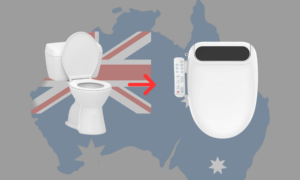
When you first encounter a Japanese toilet in Tokyo or Kyoto, the experience can be revolutionary. The heated seat, gentle warm water cleansing, and automatic functions represent a level of bathroom luxury that many Australians are now seeking to bring home. In our latest trip to Japan, we quickly came to realise the barriers that might be stopping Australian’s when returning home, information! Navigating the world of Japanese toilet technology in Australia requires understanding the differences between brands, local installation requirements, and what actually works in our unique market.
Our comprehensive guide covers everything you need to know about Japanese toilets available in Australia, from budget-friendly options to premium smart bidet toilet systems that rival what you’ll find in Japan.
What Exactly Is a Japanese Toilet?
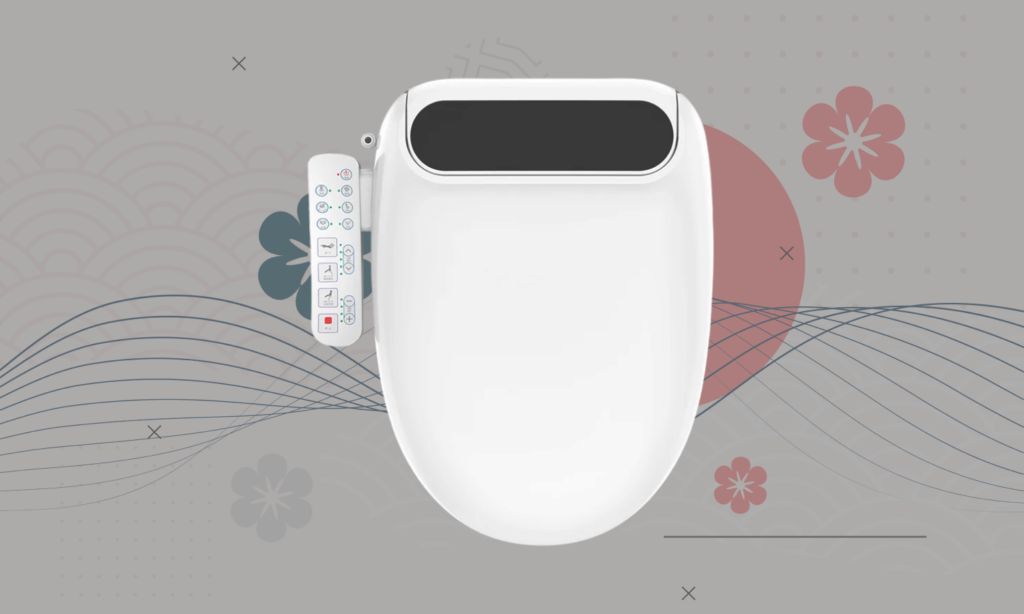
A Japanese toilet, also known as a smart toilet or washlet toilet, is an advanced toilet system that originated in Japan in the 1980s. Unlike traditional Western toilets, these systems combine multiple functions into one integrated unit:
Core Features:
- Heated toilet seat with adjustable temperature
- Built-in bidet with warm water spray
- Automatic air drying system
- Deodorising technology
- Soft-close toilet lid
- Night lighting
- Remote control operation
Advanced Features (Premium Models):
- Auto-open and close toilet lid
- Automatic flushing
- User preset memory settings
- Self-cleaning wand technology
- Music or white noise
- Health monitoring capabilities
The term “washlet” was actually trademarked by TOTO, the Japanese company that pioneered this technology, but it’s become commonly used to describe any Japanese-style smart toilet.
Japanese Toilet Brands Available in Australia
TOTO – The Original Innovator
TOTO invented the modern washlet in 1980 and remains the gold standard in Japan. However, TOTO toilet Australia availability is limited and expensive, with most models requiring special ordering through commercial suppliers.
Popular TOTO Models:
- TOTO Washlet G450 (when available)
- TOTO Neorest series (luxury range)
Pros: Exceptional build quality, cutting-edge technology, brand prestige Cons: Limited Australian availability, expensive parts, complex installation requirements
Panasonic – Technology Leader
Panasonic toilet systems are known for their advanced sensors and user interface design. Like TOTO, direct availability in Australia is limited.
Features: Superior sensor technology, smartphone app integration, energy efficiency Availability: Primarily through specialty importers
Hycare – Australian Market Leader
Hycare has positioned itself as the premium choice for Japanese-style toilets in Australia, offering models that match Japanese quality with local support infrastructure.
Popular Models:
- Hycare Venus (mid-range smart bidet)
- Hycare Neptune (premium option)
- Hycare Apex (flagship model with full smart toilet features)
Advantages for Australian Buyers:
- Local warranty and support
- Australian electrical compliance (AS/NZS 3000)
- Readily available spare parts
- Professional installation network
Installation Requirements in Australia
Electrical Requirements
All Japanese toilet systems require electrical connection, which must comply with Australian standards:
- Standard Power: 240V power outlet within 1.5m of toilet
- RCBO Protection: Required for bathroom electrical circuits
- Licensed Electrician: Mandatory for any new electrical work
- Waterproofing: IP44 rating minimum for bathroom electrical fittings
Plumbing Considerations
Water Pressure: Most systems require minimum 200kPa (2 bar) pressure Water Temperature: Cold water supply adequate (internal heating) Drainage: Standard Australian toilet waste connection Space Requirements: Allow extra clearance for remote control operation
Australian Standard Compliance
Ensure your chosen system meets:
- AS/NZS 3500 (Plumbing and Drainage)
- AS/NZS 3000 (Electrical Wiring Rules)
- WaterMark certification for plumbing products
- RCM (Regulatory Compliance Mark) for electrical components
Cost Breakdown: What You’ll Pay in Australia
Entry Level Smart Toilet Seats ($800 – $1,500)
Basic heated seat with bidet function, suitable for those wanting to trial Japanese toilet features without major investment.
Features: Heated seat, basic wash functions, simple controls Installation: $150 – $300 (electrician for power point if needed) Total Investment: $950 – $1,800
Mid-Range Systems ($1,500 – $4,000)
Comprehensive feature set matching mid-tier Japanese models.
Features: Multiple wash settings, air dry, deodoriser, remote control, night light Installation: $300 – $600 (includes electrical and any plumbing modifications) Total Investment: $1,800 – $4,600
Premium Smart Toilets ($4,000 – $8,000+)
Top-tier systems with advanced automation and luxury features.
Features: Auto open/close, self-cleaning, user memory, health monitoring, premium materials Installation: $800 – $1,500 (complete toilet replacement, electrical, potential bathroom modifications) Total Investment: $4,800 – $9,500+
Ongoing Costs
Electricity: Approximately $50 – $120 per year (depending on model and usage) Maintenance: $100 – $200 annual filter replacements and servicing Water: Minimal increase (most efficient models use less than 1L per use)
Choosing the Right Japanese Toilet for Your Australian Home
Consider Your Budget Carefully
Don’t just look at the purchase price. Factor in:
- Professional installation costs
- Potential bathroom electrical upgrades
- Ongoing maintenance and electricity costs
- Warranty coverage and local support availability
Assess Your Bathroom Layout
Space Requirements: Measure carefully, especially for integrated toilet systems Electrical Access: Existing power outlet location affects installation cost Water Pressure: Test your home’s water pressure (ideal: 300-500kPa) Ventilation: Adequate for electronic components and deodorising features
Features That Matter in Australia
Climate Considerations:
- Heated seat essential for cold mornings
- Adjustable water temperature for seasonal comfort
- Deodorising particularly valuable in smaller bathrooms
- Night light useful for minimalist Australian bathroom lighting
Practical Features:
- Easy-clean surfaces for Australian dust conditions
- Reliable remote control (not just smartphone apps)
- Quick installation mode for trade professionals
- Clear warranty terms with local support
Installation Process: What to Expect
Pre-Installation Assessment
- Site Survey: Professional assessment of electrical and plumbing requirements
- Compliance Check: Ensuring local council and electrical safety requirements
- Timeline Planning: Coordinating electrician and plumber if needed
Installation Day
Smart Toilet Seat Installation (2-4 hours):
- Remove existing toilet seat
- Install T-connector for water supply
- Mount bidet seat and connect water line
- Connect electrical supply
- Test all functions and user training
Complete Smart Toilet Installation (4-8 hours):
- Remove existing toilet
- Install new waste and water connections
- Position and level new toilet
- Connect electrical supply with appropriate safety switching
- Test all functions, pressure settings, and user programming
Post-Installation
- User Training: Learning remote control functions and settings
- Registration: Warranty registration with manufacturer
- Maintenance Schedule: Setting up recommended service intervals
Maintenance and Longevity in Australian Conditions
Regular Maintenance Tasks
Daily:
- Automatic self-cleaning cycles (premium models)
- Basic seat wiping (avoid harsh chemicals)
Weekly:
- External cleaning with mild soap and water
- Check and clean air filter if accessible
Monthly:
- Inspect water connections for leaks
- Test all functions including emergency manual operation
Annually:
- Professional service and filter replacement
- Water quality assessment (important in hard water areas)
- Electrical connection inspection
Australian-Specific Considerations
Hard Water Areas: Frequent filter changes and descaling in Perth, Adelaide, and parts of Melbourne Dust Management: Regular air filter maintenance in dusty Australian conditions Power Outages: Understanding manual operation during blackouts Humidity: Proper ventilation to prevent condensation issues in humid climates
Top 5 Japanese Toilet Recommendations for Australia (2026)
1. Hycare Venus – Best Overall Value
Price Range: $2,200 – $2,800 Best For: First-time smart toilet buyers wanting quality features
Key Features:
- Heated seat with 5 temperature levels
- Adjustable water pressure and temperature
- Built-in air dryer
- Deodorising system
- Night light
- Remote control with clear labelling
Why It Wins: Perfect balance of Japanese-quality features with Australian support infrastructure. Installation network Australia-wide and responsive customer service.
2. Hycare Apex – Premium Choice
Price Range: $4,500 – $5,500 Best For: Luxury installations and tech enthusiasts
Key Features:
- Auto open/close lid with sensor detection
- User memory settings (up to 4 users)
- Self-cleaning wand with UV sterilisation
- Smartphone app integration
- Health monitoring features
- Premium soft-close mechanisms
Why It Wins: Rivals Japanese luxury models while providing local warranty and support. Advanced features that actually enhance daily use.
3. BioBidet BB-2000 – Budget Premium
Price Range: $1,800 – $2,400 Best For: Feature-rich option without breaking the budget
Key Features:
- Stainless steel wand
- Hybrid heating system
- Wireless remote
- 3-year warranty
- Easy installation
Why It Wins: Excellent feature set at competitive pricing with growing Australian dealer network.
4. TOTO Washlet G450 (When Available) – Prestige Option
Price Range: $3,500 – $4,500 Best For: Brand prestige and cutting-edge technology
Key Features:
- TOTO’s signature Tornado Flush
- Actilight technology
- Premist bowl cleaning
- Auto open/close with approach sensor
Why It Wins: The original Japanese washlet experience, when you can find reliable local supply and support.
5. American Standard SpaTech – Accessible Premium
Price Range: $2,800 – $3,500 Best For: Reliable smart toilet with established local support
Key Features:
- Integrated design
- Heated seat and warm air drying
- Automatic deodoriser
- Self-cleaning wand
- 10-year warranty
Why It Wins: Strong local distributor network and comprehensive warranty coverage across Australia.
Common Questions About Japanese Toilets in Australia
Do Japanese Toilets Work in Australia’s Hard Water Areas?
Yes, but they require more maintenance. Areas with hard water (much of South Australia, Western Australia, and parts of Victoria) will need:
- More frequent filter changes (every 3-6 months instead of annually)
- Regular descaling cycles
- Water softening systems in extreme cases
- Annual professional maintenance recommended
What Happens During Power Outages?
Most smart toilets have manual override functions:
- Manual flush lever (usually hidden behind panel)
- Seat can be lifted manually
- Some premium models have battery backup for basic functions
- Always ensure you know manual operation before installation
Are Replacement Parts Available Locally?
This varies significantly by brand:
- Hycare: Excellent local parts availability
- American Standard/Kohler: Good through plumbing suppliers
- TOTO: Limited, often requires special ordering from Japan
- Generic brands: Variable, check warranty terms carefully
How Much Do They Add to Electricity Bills?
Typical usage adds $4-10 monthly to electricity bills:
- Standby power: 3-8 watts continuous
- Active heating: 400-800 watts during use
- Most efficient models use comparable electricity to a small LED TV
Do They Require Special Cleaning Products?
No harsh chemicals. Use:
- Mild soap and water for external surfaces
- White vinegar for mineral buildup
- Manufacturer-specific cleaning tablets for internal systems
- Avoid bleach, abrasive cleaners, or ammonia-based products
Making the Investment: Is a Japanese Toilet Right for You?
You’re an Ideal Candidate If:
We have had multiple satisfied customers needing a Japanese Toilet Bidet for a variety of reasons. Here are the most common ones we see:
- You value bathroom comfort and hygiene
- You’re planning a bathroom renovation anyway
- You have mobility considerations or aging concerns
- You’re building a new home
- You want to reduce toilet paper usage significantly
- You’re fascinated by Japanese technology and attention to detail
If you want proof of our satisfied customers, look no further than the feedback at the bottom of each of our products.
Return on Investment
While Japanese toilets don’t add significant property value in Australia yet (unlike Japan where they’re expected), they provide:
- Comfort Value: Daily luxury experience
- Health Benefits: Superior hygiene, helpful for various medical conditions
- Environmental Impact: Dramatic reduction in toilet paper use
- Future-Proofing: As population ages, these features become more valuable
Where to Buy Japanese Toilets in Australia
Recommended Retailers
Bidet Warehouse Australia: Specialists in smart toilet and bidet technology with Australia-wide shipping and installation network.
Harvey Norman: Carries limited range of smart toilet seats in larger stores.
Reece Plumbing: Commercial and trade supply, good for renovation projects.
Online Specialists: Various importers, but ensure local warranty and support.
Buyers Guide: If you are still undecided or unsure which Bidet is right for you, feel free to check out our Buyers guide here
Conclusion: Bringing Japanese Bathroom Innovation to Australia
Japanese toilets represent more than just bathroom technology, they’re a daily comfort upgrade that millions of people worldwide have embraced. While the Australian market is still developing compared to Japan’s near-universal adoption, the options available today provide genuine Japanese-quality experiences with local support infrastructure.
The key to success is choosing a system that matches your needs, budget, and bathroom layout, while ensuring proper professional installation and ongoing support. Whether you start with a heated toilet seat warmer or invest in a complete automatic toilet system, you’re bringing a piece of Japanese innovation that prioritises comfort, hygiene, and efficiency into your Australian home.
For most Australian buyers in 2026, the sweet spot lies in mid-range smart toilet seats from established brands like Hycare that offer comprehensive features with local support. As the market matures, we’ll likely see increased availability of premium Japanese brands and more competitive pricing across all categories.
The future of Australian bathrooms is undoubtedly moving toward smart toilet technology. The question isn’t whether this trend will continue, but how quickly Australian homeowners will discover the daily comfort that our Japanese counterparts have enjoyed for over four decades.